If you’ve ever stood in the grocery aisle squinting at a box of couscous wondering what exactly you’re looking at, you’re not alone. It gets shelved next to rice, sold next to pasta, and talked about like it could be either one. So let’s clear it up, once and for all.
Is Couscous a Grain or a Pasta?
Here’s the twist: it’s neither, and also kind of both.
Couscous is made from semolina flour (the same coarsely-milled durum wheat used in a lot of dried pasta) that’s been moistened, rolled into tiny granules, and coated in a fine dusting of dry flour to keep the granules separate. That process, hydrating and shaping wheat flour into a specific form, is technically what makes something a pasta, not a grain.
So, despite living next to the rice and quinoa in most people’s pantries, and despite looking and cooking like a grain, couscous is more accurately classified as a form of pasta. It just happens to be pasta shaped like tiny beads instead of tubes or ribbons. Don’t worry, though, nobody’s going to stop you from treating it like a grain in the kitchen.
This post may contain affiliate links, which means that I make a small commission off items you purchase at no additional cost to you.
Where Does Couscous Come From?
Couscous originated in North Africa, most likely among the Berber people of the Maghreb region, modern-day Morocco, Algeria, and Tunisia, with roots that may go back over a thousand years. Traditionally, it was made entirely by hand: durum wheat was ground, moistened, and rolled between the palms into tiny pellets, then dried in the sun. It’s still made this way in many households today, though most of us are buying the pre-steamed, quick-cooking version from a box.
It remains a staple across North Africa, where it’s often the centerpiece of a meal rather than a side, traditionally steamed over a simmering stew in a special pot called a couscoussier.
What Does Couscous Taste Like?
On its own, couscous is rather bland, maybe slightly nutty, with a delicate wheaty flavor that’s fairly neutral, similar in that sense to plain rice or orzo. That neutrality is actually its superpower. Couscous acts like a blank canvas, soaking up whatever broth, spice, or sauce you cook it in. Fluff it with good olive oil, lemon, and herbs and it tastes bright and fresh. Cook it in a spiced broth and it tastes rich and warm. It’s less about what couscous tastes like on its own and more about what you make it taste like.
Texture-wise, when cooked properly, couscous should be light and fluffy with distinct, separate granules, never clumped together. That texture is honestly the whole point.
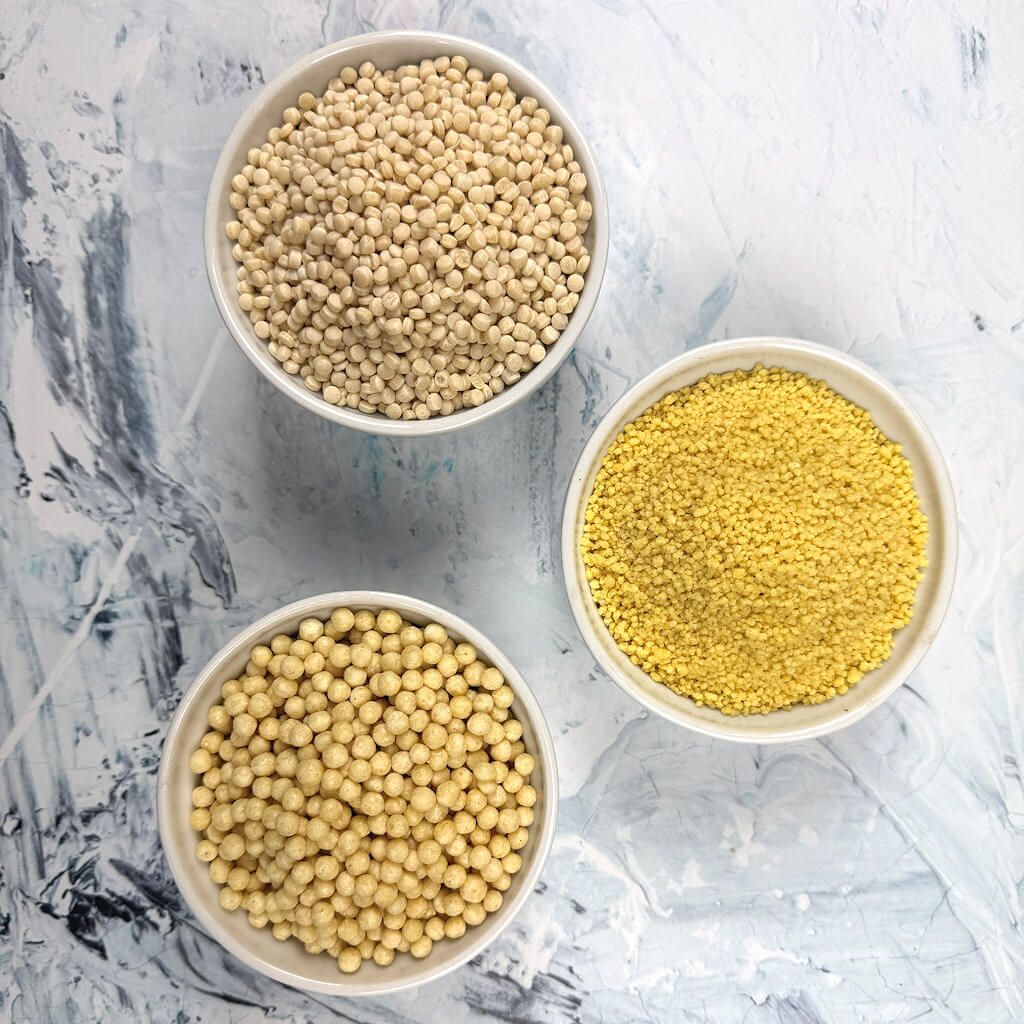
The 3 Types of Couscous
This is where a lot of the confusion comes in, because “couscous” doesn’t actually mean one single product. There are three distinct types, and they behave very differently in the kitchen.
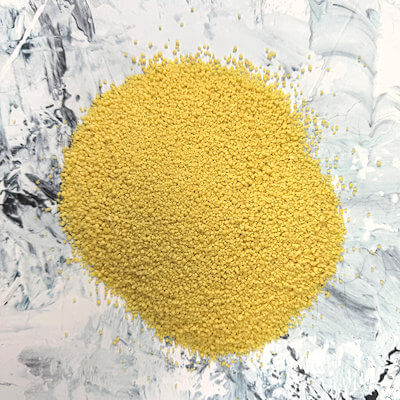
Moroccan Couscous – This is the one most people picture, and it’s what you’ll find in the vast majority of boxed couscous at the grocery store. It is also called instant couscous. The granules are tiny, about the size of a grain of sand, and it’s usually sold pre-steamed and dried, meaning it cooks in just 5 minutes with nothing more than hot liquid and a lid. Light, fluffy, and fast.
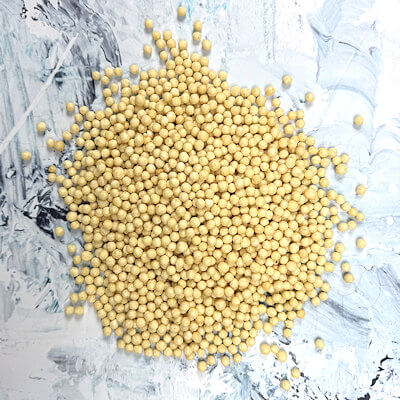
Israeli Couscous – Also called ptitim (little crumbles) or pearl couscous, this type was created in Israel in the 1950s as a rice substitute during a period of rice shortages. The pearls are much larger, round, and toasted, which gives them a light golden color and a slightly nutty, toasty flavor that regular couscous doesn’t have. It’s chewier and more substantial, closer in feel to a small pasta shape like acini di pepe.
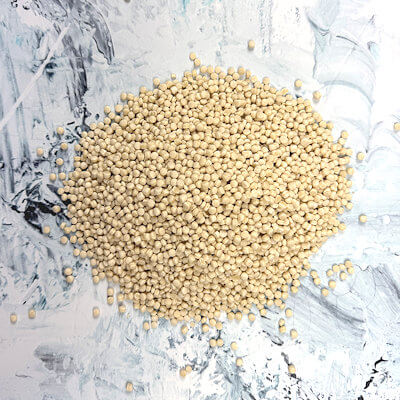
Lebanese (Moghrabieh) Couscous – The largest of the three, sometimes called moghrabieh, is rolled into pearls even bigger than the Israeli variety, closer in size to a peppercorn or small pea. It has the heartiest, chewiest bite of the three and is traditionally simmered rather than steamed, often in a spiced broth with cinnamon, cumin, and caramelized onions.
The short version: size and cook time scale together. Moroccan is smallest and fastest, Israeli is medium, Lebanese is largest and slowest.
Curious how to actually cook all three types? Check out the post How to Cook Couscous: Moroccan, Israeli, and Lebanese, for method, ratios, and flavor tips for each.
Two Other Couscous Types
- Tricolor Couscous – visually appealing pearls of white, green and pink (the latter two flavored with spinach and tomato, respectively). It’s especially appealing in a salad, or a simple side dish. Available in Moroccan and Israeli couscous.
- Whole Wheat Couscous – made with whole grain durum wheat, like whole wheat pasta. It contains more protein and more fiber than plain couscous. Available in Moroccan and Israeli couscous.
A Close Cousin: Fregola Sarda
You’ll sometimes see Fregola Sarda mentioned in the same breath as couscous, and it’s easy to see why; it’s another small, rolled semolina pasta, this time from Sardinia, Italy. The key difference is that fregola is toasted in an oven rather than steamed, which gives it a deeper, almost nutty, slightly smoky flavor and a golden-brown color straight out of the package. It’s also typically irregular in shape rather than perfectly round. Texturally and visually it lands somewhere close to Israeli pearl couscous, and the two are often used interchangeably in recipes, but fregola isn’t technically a type of couscous, it’s a distinct Italian product with its own name and its own tradition, most often simmered in soups and seafood dishes.
What Is Couscous Made Of?
At its core, all three types start with the same base: durum wheat semolina and water. That’s it. Some brands add a touch of salt or a spice. The differences between the types come entirely from how the granules are sized and processed, not from different ingredients.
One thing worth flagging: because couscous is made from wheat, it is not gluten-free. If you’re cooking for someone avoiding gluten, this is one to skip or swap for a gluten-free grain like quinoa or millet.
Where to Buy Couscous
Moroccan couscous is by far the easiest to find; it’s stocked at pretty much any regular grocery store, usually near the rice and grains or in the international aisle. Israeli couscous has become common enough that most well-stocked grocery stores carry it too, often under brand names rather than “couscous” outright. Lebanese couscous is the trickiest to track down outside of Middle Eastern grocery stores, but I found it here on Amazon.
How to Store Couscous
Dry, uncooked couscous is low-maintenance: keep it in an airtight container in a cool, dry pantry, away from direct light, and it’ll keep well for up to a year. Same way you would store rice and/or pasta.
Cooked couscous is just as easy. Let it cool completely, then transfer it to an airtight container and refrigerate for up to 5 days. It also freezes beautifully; spread it out on a baking sheet to freeze individual granules before transferring to a freezer bag, and it won’t clump into one giant block. It’ll keep in the freezer for about 2-3 months. To reheat, a splash of water or broth and a few minutes in the microwave or a covered skillet will bring it right back to life.
How to Serve Couscous
Part of what makes couscous so useful in the kitchen is how flexible it is on the plate.
As a side dish: This is couscous’s most common role in a lot of home kitchens. Fluffed with olive oil, lemon, and fresh herbs, like Couscous with Zucchini & Herbs or Pearl Couscous with Beets. It’s a fast, neutral partner for roasted chicken, grilled fish, lamb, or roasted vegetables; anywhere you’d otherwise reach for rice or pasta.
As a main dish: Bulk it up with roasted vegetables, chickpeas, feta, any protein and a punchy vinaigrette and you’ve got a genuinely satisfying vegetarian dinner or with an added protein make a flavorful lunch or dinner, like Mediterranean Chicken Couscous. Pearl and Lebanese couscous, with their chewier bite, hold up especially well here: Chicken & Couscous with Harissa.
In salads: Cold or room-temperature couscous salads are a warm-weather staple for good reason; they’re quick, they travel well, and they take on whatever produce is in season, like Fruity Couscous Salad with Chicken or Couscous Salad with Feta & Greens.
In a stew: The traditional route, and still one of the best. The Israeli and Lebanese couscous soak up a spiced, saucy stew or braise beautifully, letting all that flavor sink into every granule.
As a breakfast: cold or warm, with fresh or dried fruit, nuts and seeds, a worthy contestant for your morning meal. Breakfast Couscous for Two.
However you serve it, couscous is one of those pantry staples that earns its keep, quick enough for a weeknight, versatile enough to dress up for company.