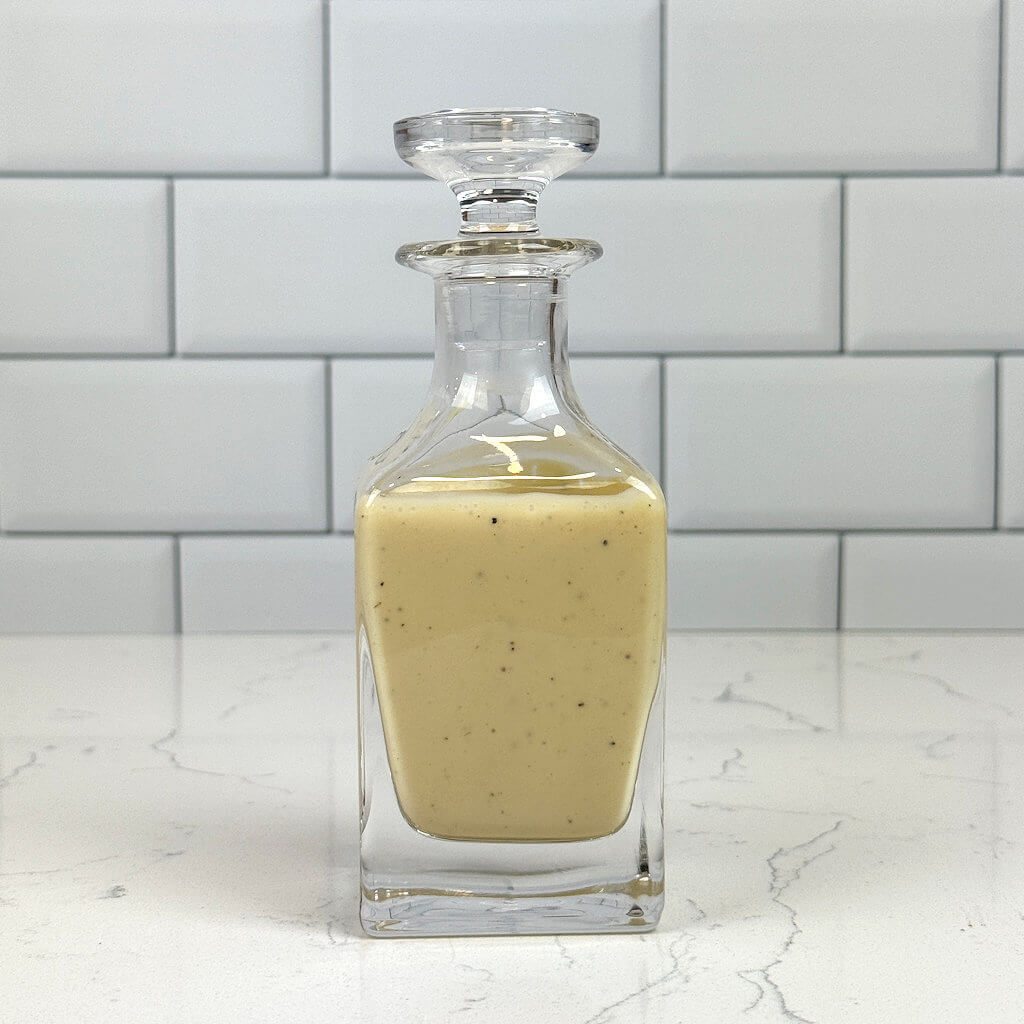
Everything except the olive oil goes into the bowl first and gets mixed until smooth and fully combined. Then comes the step that separates a restaurant-quality dressing from a jar-shaken one: an immersion blender. Shaking oil and other ingredients in a jar does move them around, but it does not break the oil down into droplets small enough to stay suspended. An immersion blender does; the high-speed blade disperses the olive oil into tiny droplets as it is added in a slow, steady stream, creating a true emulsion that holds its texture rather than separating back out within minutes. Greek yogurt reinforces that emulsion alongside the Dijon mustard, which is why this dressing stays creamy and cohesive rather than splitting before it reaches the salad.
One thing worth saying plainly: a well-emulsified dressing cannot save wet salad ingredients. Dry leaves, dried cucumber, patted-dry tomatoes, that’s the preparation side of the equation that no dressing technique can fix. Get the ingredients dry, get the emulsification right, and the dressing does exactly what a good restaurant dressing does: it stays on the salad, not on the plate.
This post may contain affiliate links, which means that I make a small commission off items you purchase at no additional cost to you.
Key Ingredients in This Recipe
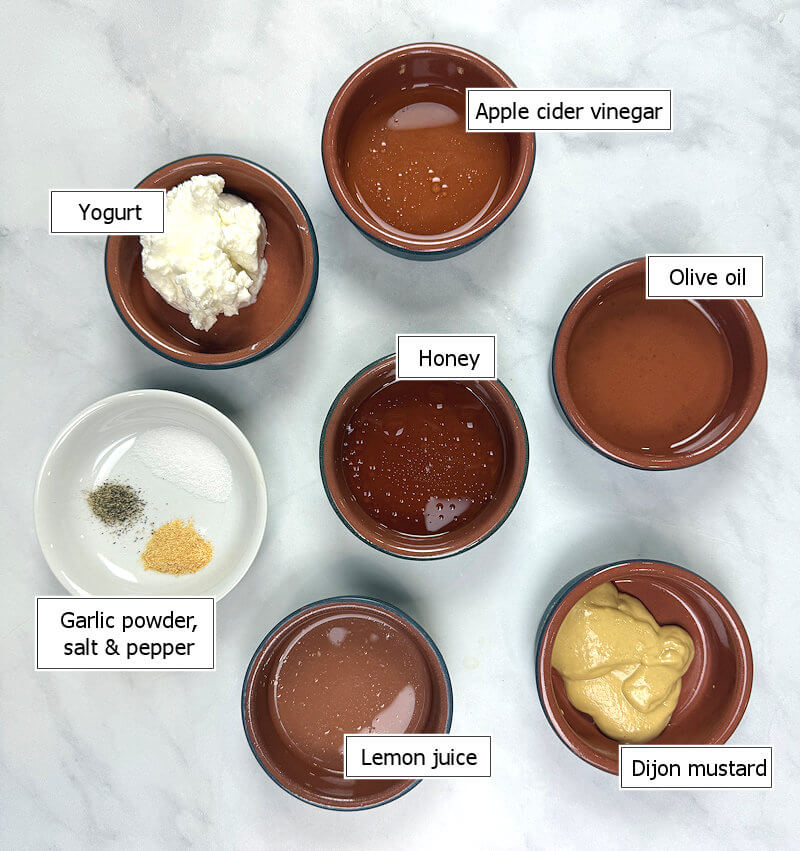
You’ll find the complete list of ingredients and exact quantities in the recipe below.
- Olive oil
- Greek yogurt
- Dijon mustard
- Honey
- Apple cider vinegar
- Lemon juice
- Garlic powder
- Salt & pepper
Watch this short video below to see how quickly and easily this recipe comes together.
How to Make Creamy Honey Mustard Dressing
The basics elements to get a perfect salad dressing or vinaigrette are; a fat source (most of the time that is an oil), an acid source (this can be some sort of vinegar or lemon or orange juice), and something to bind them together, an emulsifier (think of mustard, tahini, miso, honey, maple syrup, egg yolk, yogurt). Of course you can add other ingredients, like spices, herbs, garlic or onion to flavor your dressing. The classic ratio of a basic dressing is 3:1 (3 parts oil to 1 part vinegar), but you can also use 2:1, or 1:1, depending on which element you want to emphasize.
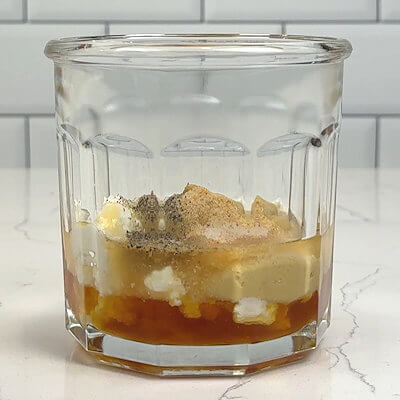
Step 1 – Transfer all ingredients, except the olive oil, to a bowl or tall sturdy glass. With an immersion blender mix until you have a unified mixture and the salt is dissolved and spices well mixed.
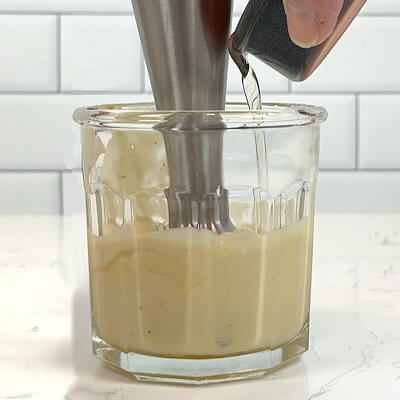
Step 2 – Slowly add the olive oil while the immersion blender is running. You want the olive oil to disperse into the mixture as finely as possible.
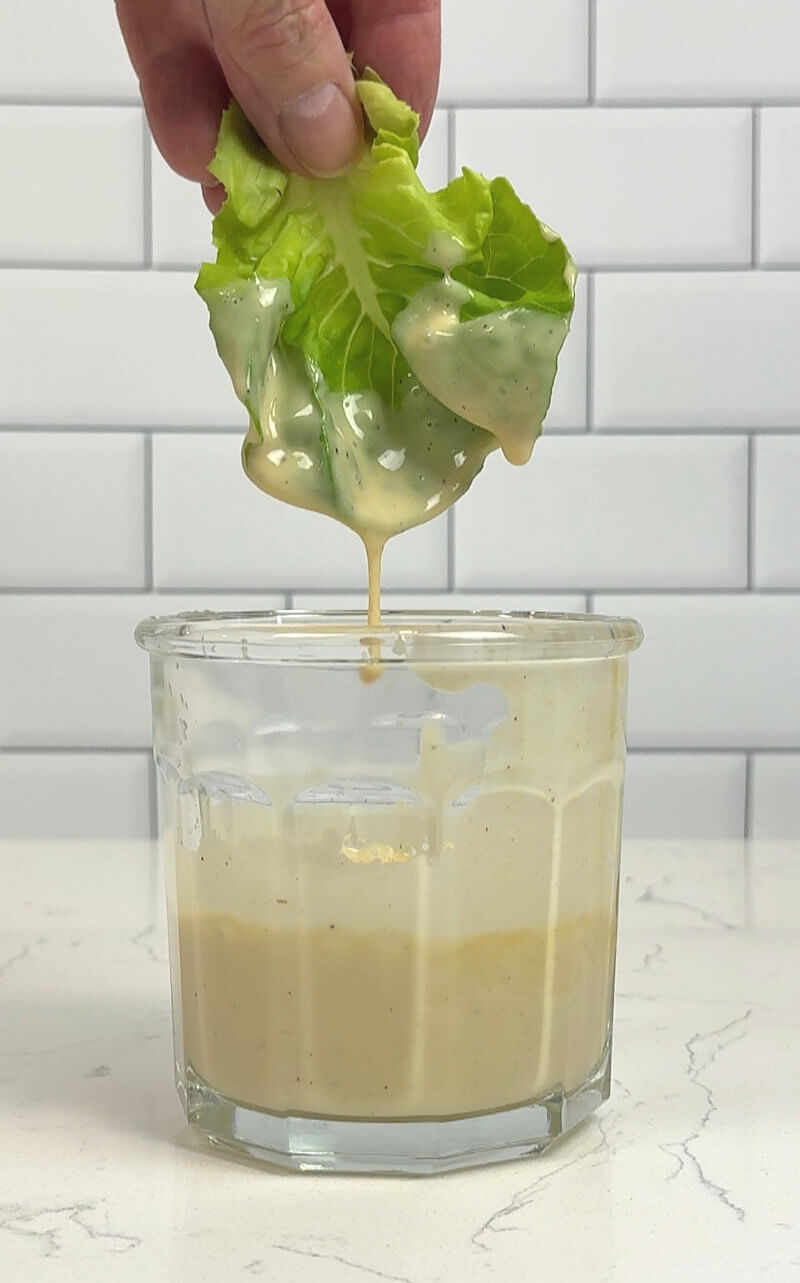
A quick way to check your own dressing creation; dunk a leaf of lettuce or whatever vegetable (washed and dried) you use in your salad in the dressing and it should cling to it
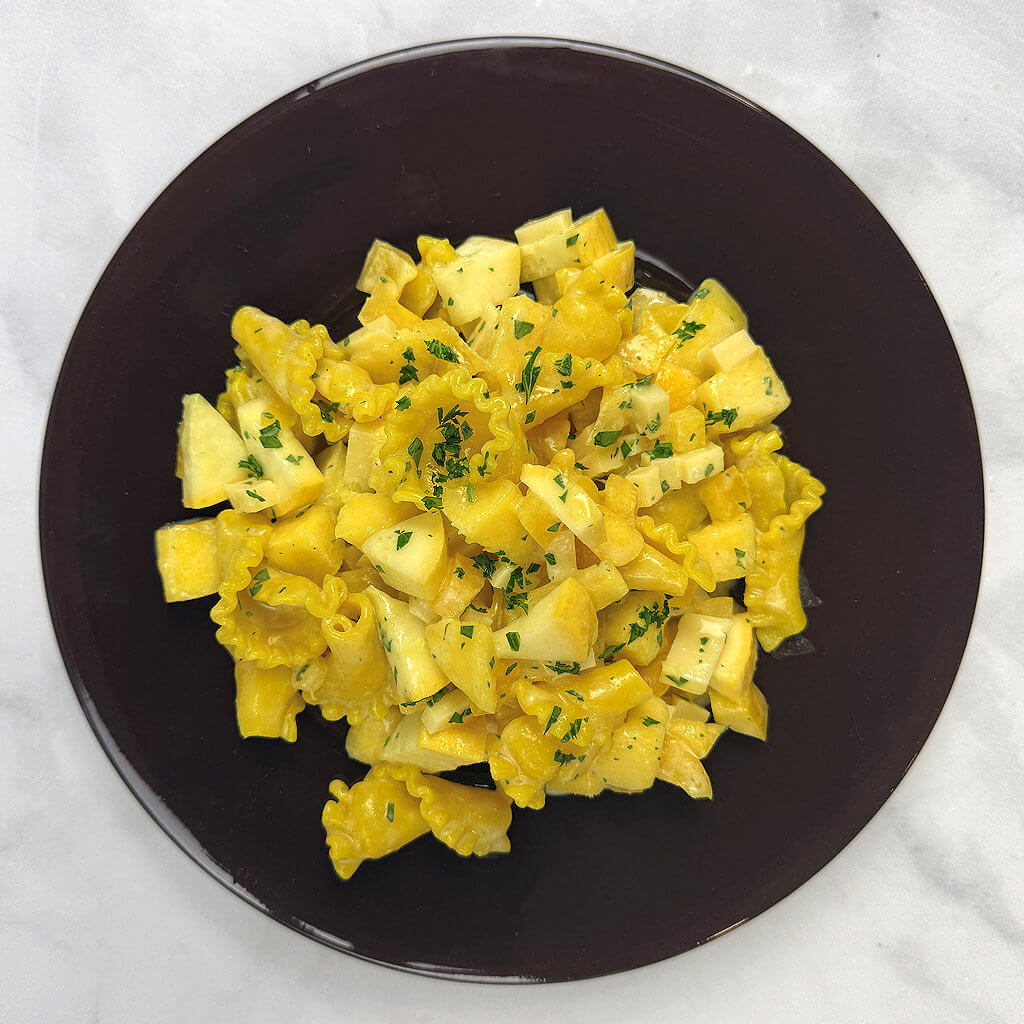
Recipes to Use This Dressing

Small Batch Creamy Honey Mustard Dressing
Pin Recipe FacebookIngredients
- 1/4 cup Greek yogurt
- 2 tablespoons olive oil
- 2 tablespoons Dijon mustard
- 2 tablespoons honey
- 1 tablespoon apple cider vinegar
- 1 tablespoon lemon juice
- 1/4 teaspoon garlic powder
- 1/4 teaspoon salt
- 1/8 teaspoon pepper
Instructions
- Transfer all ingredients, except the olive oil, to a bowl or tall sturdy glass. With an immersion blender mix until you have a unified mixture and the salt is dissolved and spices well mixed.
- Slowly add the olive oil while the immersion blender is running. You want the olive oil to disperse into the mixture as finely as possible. (NOTE 1)
Notes
- A quick way to check your own dressing creation; dunk a leaf of lettuce or whatever vegetable (washed and dried) you use in your salad in the dressing and it should cling to it
Nutrition
Nutrition information is automatically calculated, so should only be used as an approximation.