Updated 05.04.26
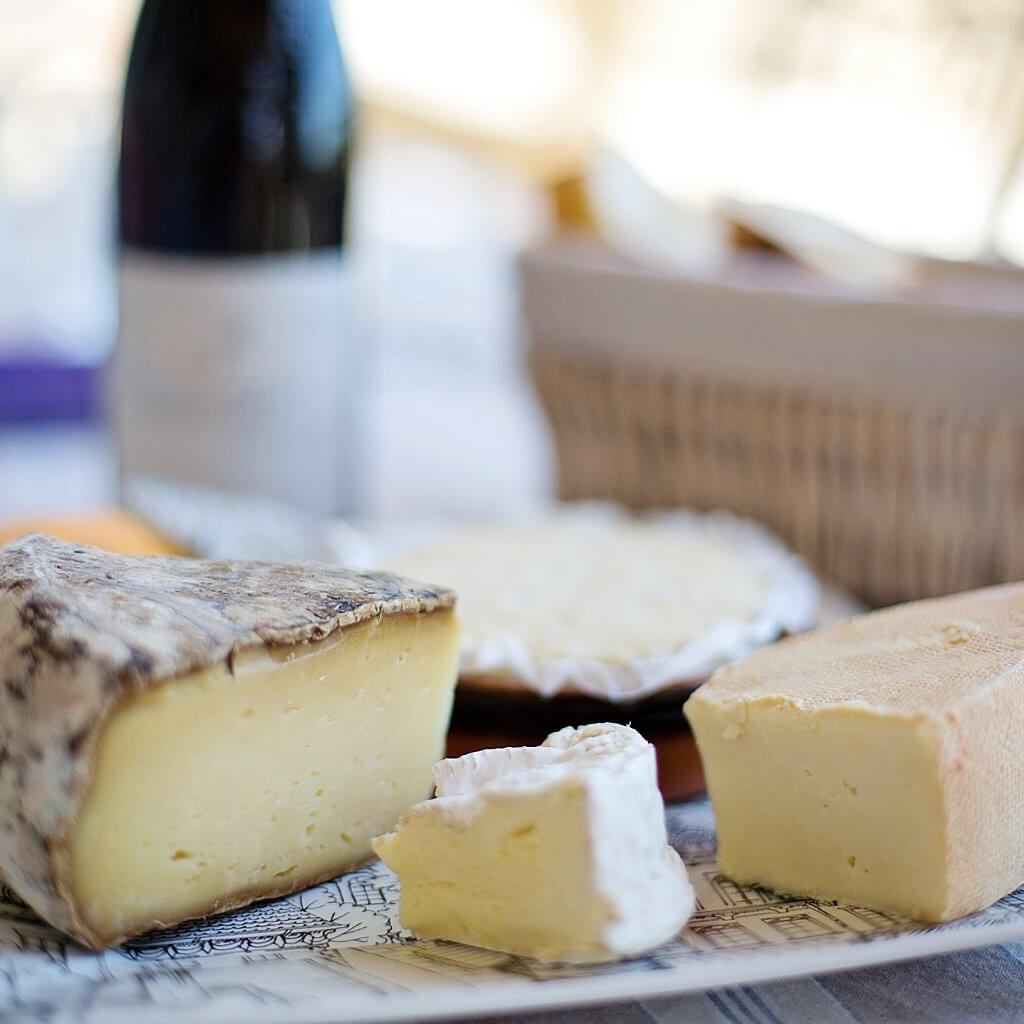
Cheese can be a small luxury in everyday cooking. A little wedge of Gouda, a creamy piece of Brie, a sharp cheddar, or a few crumbles of blue cheese can turn a simple dinner for two into something more thoughtful and delicious.
But cheese can also be frustrating. You buy a beautiful piece, use part of it, tuck the rest into the refrigerator, and a few days later it is dry, sweaty, moldy, or simply not as good as it was when you bought it. The good news is that cheese does not have to be difficult to care for. The way you buy, wrap, store, cut, serve, and use cheese all makes a difference.
This guide is about helping you enjoy cheese longer, waste less, and get the best flavor from every piece you bring home.
This post may contain affiliate links, which means that I make a small commission off items you purchase at no additional cost to you.
Why Cheese Storage Matters
Cheese is not just another block of dairy in the refrigerator. Even though most cheeses start with the same basic ingredients: milk, cultures, salt, and rennet, they can turn into hundreds of very different cheeses. Cheesemakers may add molds or bacteria, wash the rind with brine or alcohol, add flavors to the curds, or rub the outside with herbs and spices.
All of those choices affect the aroma, flavor, texture, and shelf life of the cheese. Softer cheeses are usually more delicate and tend to spoil faster, while firmer and harder cheeses generally last longer because they contain less moisture. That is why there is not one perfect storage rule for every cheese. A fresh ricotta, a bloomy-rind Brie, an aged cheddar, and a wedge of Parmigiano Reggiano all need slightly different care. Still, a few simple habits will help almost every cheese stay fresher longer.
12 Simple Habits for Keeping Cheese Fresh Longer
- Buy the amount you can realistically use.
- Choose whole pieces over pre-shredded when you can.
- Store cheese in refrigerator.
- Wrap cheese properly.
- Keep strong cheeses separated.
- Bring cheese to room temperature before serving.
- Serve smaller portions first.
- Use a clean knife for each cheese.
- Cut the cheese in a way that protects flavor and texture.
- Know what to do with mold.
- Freeze cheese only when you have a plan.
- Use left-over cheese in small-batch cooking.
1 – Buy the amount you can realistically use
The easiest way to keep cheese fresh longer is to avoid buying too much at once. This is especially true when you are cooking for two.
It may feel practical and often is cheaper to buy the large block, the big wedge, or the giant bag of shredded cheese, but cheese is almost always better when it is bought in smaller amounts and used while it is still fresh. Larger pieces can last longer than pre-cut slices or shredded cheese, but only if you have a plan for using them.
For small-batch cooking, think in recipes and meals. Buy enough for your cheese board, pasta, gratin, salad, or sandwich, with just a little extra for nibbling or cooking later. Cheese is too good and too expensive to become a forgotten mystery package in the back of the fridge.
2 – Choose whole pieces over pre-shredded when you can
Pre-shredded cheese is convenient, and there is absolutely a time and place for it. But if your goal is the best flavor and longer freshness, a whole piece of cheese usually has the advantage.
Once cheese is shredded, sliced, or crumbled, more surface area is exposed to air. That means it can dry out faster, pick up refrigerator odors more easily, and become more vulnerable to mold. Many bags of pre-shredded cheese also contain anti-caking agents, mold inhibitors and enzymes to keep the shreds separate, fluffy, and fresh-looking for longer.
Those additions are useful for convenience, but they can affect how the cheese behaves in a recipe. Pre-shredded cheese may not melt as smoothly or stretch as beautifully as freshly grated cheese, and the flavor can be a little less pronounced. But is is convenient, and I use it too when it makes sense, but it is not always the best choice. It is great for sprinkling over pizzas, tacos, salads, baked potatoes, or casseroles, but for smooth sauces, dips, or fondue-style recipes, freshly grated cheese is usually the better choice.
For small-batch recipes, grating cheese yourself also gives you more control. You can grate only what you need and wrap and store the rest of the wedge properly.
3 – Store Cheese in the Refrigerator
Cheese is a dairy product, and like most dairy products, milk, butter, yogurt, sour cream, quark, and mascarpone, it needs to be kept refrigerated. Freezing cheese is usually not the best option, but more about that in point 11.
The best place to store cheese is usually a cheese drawer, deli drawer, or vegetable drawer. These areas help protect cheese from the drying airflow of the refrigerator and from strong odors.
Do not store cheese unwrapped in the refrigerator. Read the next point on how to wrap cheese properly. Unwrapped cheese will dry out quickly, develop hard edges, and absorb smells from whatever else is nearby. The cheese may be wonderful, but when it tastes faintly like onion, garlic, and yesterday’s leftovers, it is not exactly living its best life.
4 – Wrap Cheese Properly
This is one of the biggest differences between cheese that stays enjoyable and cheese that becomes sad very quickly.
If your cheese came tightly wrapped in plastic from the grocery store or cheese shop, or vacuum packed from an online store, that is fine for getting it home. It is not always the best long-term storage once the cheese has been opened. Cheese needs protection from drying out, but it also needs a little breathing room. In that sense, cheese is still a living food, and wrapping it too tightly in plastic can trap moisture and affect the flavor and texture.
The American Cheese Society recommends re-wrapping opened cheese in fresh wrapping, preferably waxed paper, parchment paper, and then adding a loose outer layer to create a good storage environment. Or wrap it in specialty cheese paper, or in specialty cheese storage bags.
Do not leave cheese unwrapped in the refrigerator. It will dry out quickly, develop hard edges, and may absorb odors from whatever else is nearby. It can also become moldy in a way that is definitely not the delicious kind of mold.
Fresh cheeses such as ricotta, cottage cheese, cream cheese, and fresh mozzarella are different. Keep those in their original container and follow the date and storage instructions on the package.
5 – Keep Strong Cheeses Separate
Some cheeses are quiet and polite. Others announce themselves the moment you open the refrigerator. Blue cheese, washed-rind cheeses, and other strong-smelling cheeses should be wrapped well and stored in their own container. This helps prevent their aroma from spreading to other foods and keeps their molds or moisture from affecting nearby cheeses.
This is especially helpful when you buy several cheeses for a small cheese board. Each cheese will keep better when it has its own little space.
6 – Bring Cheeses to Room Temperature before Serving
Cold cheese rarely tastes nice. The flavor is muted, the texture is firmer, and soft cheeses do not have that creamy, generous quality that makes them so lovely. Like, a Brie cheese should want to ooze when you cut into it.
Take cheese out of the refrigerator before serving, but only take out what you expect to eat, so the cheese is not repeatedly warmed and chilled.
As a general guide, softer cheeses may need only 20–30 minutes to come closer to room temperature, while firmer cheeses may benefit from 45–60 minutes. Keep the cheese wrapped while it warms so the surface does not dry out before you serve it. And yes, flavor matters, but food safety still matters too: the FDA recommends not leaving foods that require refrigeration at room temperature for more than two hours, or one hour if the temperature is above 90°F.
7 – Serve Smaller Portions First
For a dinner for two, there is usually no need to put the entire wedge on the board. Cut or portion what you think you will eat and keep the rest wrapped in the refrigerator.
This one habit helps in several ways. The cheese on the board looks fresher, the remaining cheese stays safer and cleaner, and you avoid warming and chilling the same piece over and over again.
If you are serving a cheese board, keep the number of cheeses realistic. Too many different cheeses can overwhelm the palate, and it is easy to put out more than you actually need. For two people, one to three cheeses is often plenty. A soft cheese, a semi-hard or hard cheese, and perhaps a blue or goat cheese will give you enough variety without turning the board into a cheese marathon.
You can always bring out a little more if needed. Running out of cheese is not ideal, but serving every cheese you have “just in case” is how perfectly good cheese becomes tired cheese.
In France, cheese is traditionally served after the main course, often before dessert, rather than as an appetizer. Different rhythm, same love for cheese.
8 – Use a Clean Knife for Each Cheese
When serving more than one cheese, use a separate knife or spreader for each one of the cheeses you serve. This keeps flavors cleaner and helps prevent one cheese from taking over another. A little blue cheese mixed into Brie may not ruin the evening, but it does change the flavor. Strong cheeses, flavored cheeses, and soft cheeses especially benefit from their own knife.
Another way to avoid ‘mixing’ the cheeses is to make sure there is enough room on your cheese board to cut, spread the cheese, or move things around. Overcrowding the board looks beautiful when you start, but it can quickly turn messy. You want to avoid that your blue cheese is mixed with a gorgeous creamy cheese, or a feisty flavored cheese gets in the way of a brie.
9 – Cut Cheese in a Way that Protects Texture and Flavor
Cutting cheese is partly practical and partly a matter of manners. Whether you are the host or a guest at a party or dinner, knowing how to cut cheese helps everyone enjoy it the way it was meant to be enjoyed. Cheese cutting deserves its own full post, so we will keep this short here.
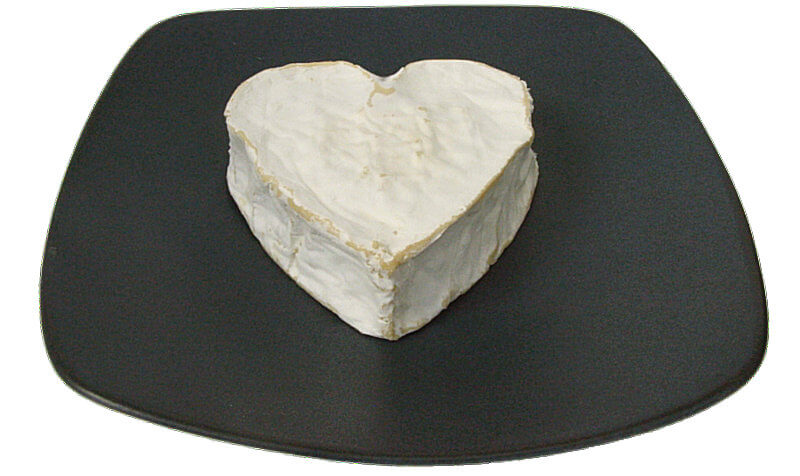
The main idea is simple: cut cheese so everyone gets a fair taste of the center and the rind or outer edge. With a wedge of Brie, for example, do not cut off the tip and leave the rest behind. That center portion is often the creamiest and most flavorful part. Cut Brie from the outer edge toward the center, so each person gets a little bit of the different flavor stages. And please, do not cut off the rind and leave it behind for the next guest to deal with.
When you host a party, try not to pre-cut all the cheese too far ahead of time. Once cheese is cut, more surface area is exposed to air, which means it can dry out faster and lose flavor and moisture.
For now, remember these basics:
- Round flat cheeses – cut like a pizza
- Square cheeses – cut in triangles
- Rectangular cheese – cut in slices parallel to the rind
- Logs – cut like a salami, so you end up with thick coins
- Pyramids – cut the cheese from the middle of the center down
10 – Know what to Do with Mold
Not all mold on cheese means is created equal. Some cheeses are intentionally made with mold, such as blue cheese, Brie, Camembert, and other bloomy-rind or blue-veined cheeses. That is part of their character.
Unexpected mold is different.
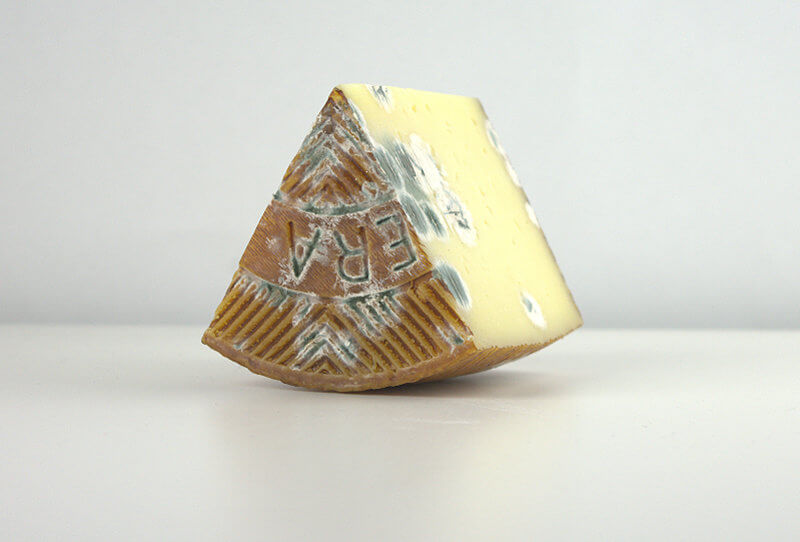
For hard cheese, if the mold is small and not widespread, it is recommended to cutting away at least 1 inch around and below the mold spot, keeping the knife out of the mold so it does not spread to the rest of the cheese. For soft, shredded, sliced, or crumbled cheese with mold that is not part of the cheese itself, the safer choice is to discard it.
When in doubt, throw it out. Cheese is wonderful. Food poisoning is not.
11 – Freeze Cheese Only when you Have a Plan
Can you freeze cheese? Yes, but it is usually not the preferred option. Properly frozen cheese can stay safe, but many cheeses change in consistency and texture during the freezing and thawing process, and that can change the way you experience them.
Soft-ripened cheeses, such as Brie or Camembert, may have a slimy or less appealing rind after freezing. Some cheeses may become crumbly and fall apart, while others may seem wetter after thawing. Since texture is part of what makes cheese enjoyable, freezing can definitely change your opinion of a cheese. Most cheeses are simply not as pretty after they have been frozen. They may still be perfectly useful crumbled, shredded, or melted into cooked dishes, but many will not win a prize in the beauty contest.
That means freezing is most useful for cheese you plan to cook with later, such as cheddar for casseroles, Gouda for gratins, or Parmesan rinds for soup. It is not the best choice for a beautiful soft cheese you want to serve on a cheese board.
12 – Use Left-Over Cheese in Small-Batch Cooking
Tiny leftover pieces of cheese are not a problem. They are an opportunity.
A little cheese can add a lot of flavor to recipes for two. Use small pieces in omelets, salads, pasta, risotto, mashed potatoes, savory tarts, grilled cheese, soups, sauces, or warm dips. Hard cheese rinds can be added to soups, beans, or sauces for extra depth, then removed before serving.
This is where small-batch cooking shines. You do not need a large amount of cheese to make a meal feel special. Sometimes one ounce of good cheese does more for a dish than a whole handful of something bland. Just keep in mind that not every cheese is meant to be converted to a pasta sauce or casserole.
The French say: ‘A meal without cheese is like a day without sunshine’.
Final Thoughts
Keeping cheese fresh longer is not about complicated rules. It is about treating cheese like the special ingredient it is.
Buy the amount you need, wrap it well, store it in the right part of the refrigerator, serve only what you plan to eat, and use the little leftovers creatively. When you do that, cheese lasts longer, tastes better, and becomes much easier to enjoy in everyday cooking for two.
And honestly, that is the goal: less waste, better flavor, and more small meals that feel just a little more delicious.
heb weer wat geleerd over kaas bewaren etc. bedankt
Dat is fijn om te horen, vooral als je een kaas liefhebber bent.